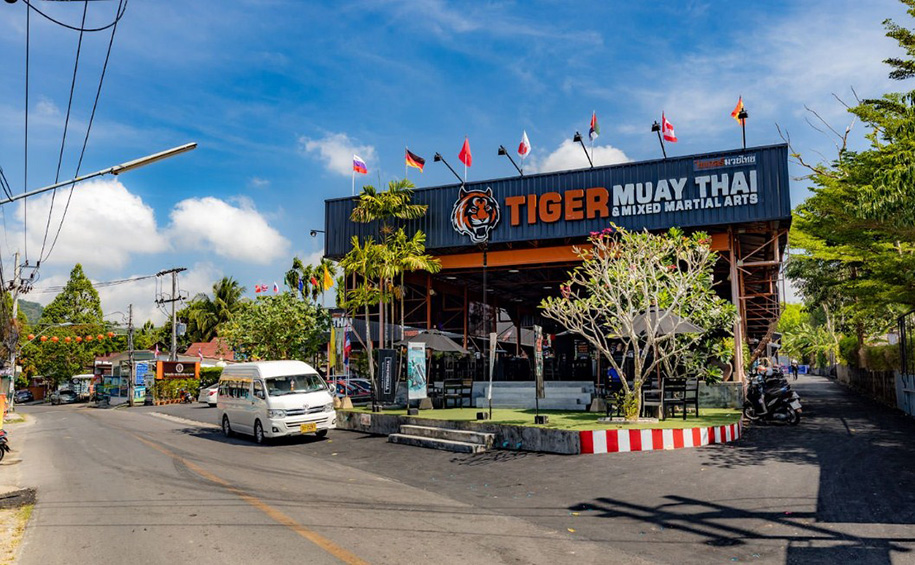
The birthplace of muay thai

Train in Thailand

From Phuket beach camps to Chiang Mai mountains, Bangkok stadiums and the Samui islands — the complete guide to picking your camp, planning your stay, and what to expect when you land.

9
Camps
4
Regions
€150
From / week
Best for beginners Phuket — English-speaking, structured classes, beach lifestyle
Best for fighters Bangkok — daily sparring, Lumpinee & Rajadamnern stadium fights
Best for long stays Chiang Mai — cool climate, low cost, digital-nomad scene
Best for island life Koh Samui & Phangan — smaller camps, beach training, slower pace
Camps by region

Hand-picked, no paid rankings. Updated April 2026.

Chiang Mai North · Mountains
2 camps · from €150/week

Cooler climate, lower cost of living, and a deep digital-nomad community. Best if you're staying 1+ months and want to balance training with work or travel. Lanna Muay Thai and Hong Thong are the names you'll hear most often.
Best Nov–Jan · Avoid Feb–Apr burning season — air quality regularly hits hazardous levels, outdoor training discouraged
Bangkok Central · Capital
2 camps · from €280/week

For serious fighters and short visits. Bangkok hosts Lumpinee and Rajadamnern — the two stadiums where Thai careers are made — and the city's gyms operate at a different intensity. Less of a "training holiday," more of a fight camp.

Best Nov–Feb · Mar–May is brutal heat (35°C+), Jun–Oct daily rain but less crowded
Koh Samui & Phangan South · Islands
2 camps · from €200/week

The slower-paced alternative. Smaller camps, intimate groups, beach training and sunset runs. Easy to combine with island life — ferries between Samui and Phangan run hourly. Less famous than Phuket but increasingly popular with travelers who want quieter training. Fly to Samui (USM) and you're 30 min from most camps; ferry to Phangan adds another hour.

Reverse monsoon! Best Dec–Apr · Avoid Oct–Nov (wettest in Thailand). Sunny May–Sep when Phuket is rainy.
Before you go

The practical stuff most blogs skip.

Visa

Most nationalities get 30–60 days visa-free on arrival. For training stays of 2–3 months, get an ED visa via the camp or a 60-day tourist visa from your home country before flying.

What to pack

Most camps provide gloves, pads and shorts to borrow. Bring your own hand wraps, mouthguard and shin guards. Lightweight clothes — Thailand is hot year-round.

Cost per month

Budget €700–1,200 all-in for Chiang Mai (training, food, basic accommodation). Phuket runs €1,000–1,800. Bangkok starts at €1,200.

Safety & injuries

Get travel insurance that covers contact sports. Most camps have first aid; few have medical staff. For serious training, locate the nearest hospital before you start.

Best time to visit

Each region has different weather. Use this to plan when to train where.

NOV–JAN
FEB–APR
MAY–OCT
Phuket
BESTCool & dry
GOODHot but dry
AVOIDMonsoon
Chiang Mai
BESTCool & clear
AVOIDBurning season
OKGreen, some rain
Bangkok
BESTCool & dry
AVOIDBrutal heat
OKDaily showers
Samui & Phangan
AVOIDReverse monsoon
BESTDry season
BESTSunny & calm

Quick rule: Mainland Thailand follows a Nov-best, Mar-Apr-worst pattern. Samui & Phangan run on the opposite cycle — their wettest months are Oct-Nov, peaking in November.

Common questions

From people who've actually done this trip.

How long should my first trip be?
Two weeks is the sweet spot for first-timers. Less than a week and you barely adjust to the heat and intensity. Longer than three weeks and you risk burnout if your body isn't prepared. Plan for two weeks of training plus 3–4 days of recovery/sightseeing.
Do I need experience to train at a Thai camp?
No. Most major camps have beginner programs and welcome people who've never thrown a kick. Phuket camps are especially beginner-friendly. That said, train at home for at least a few months before you go — you'll get more out of the trip and be less likely to injure yourself.
Can I have an amateur fight while I'm there?
Yes, most camps arrange amateur fights at local stadiums after 4–6 weeks of training. Phuket has Bangla Stadium fights weekly. Chiang Mai has Thaphae Stadium. Bangkok has Lumpinee and Rajadamnern but those require professional level. Tell your camp on arrival if you want to fight.
What's a typical training day like?
Two sessions: morning (~7–9am, includes 5–8km run) and afternoon (~3–5pm, technical + pad work + sparring). Roughly 4–5 hours of training per day. Rest day is usually Sunday. Most foreigners start with one session per day for the first week.
Should I book accommodation through the camp or separately?
Through the camp for your first 1–2 weeks — it's easier and most include it in package pricing. After that, find your own apartment if you're staying longer. AirBnb monthly rentals often beat camp prices once you commit beyond a week or two.
How much money should I bring beyond the camp fee?
Budget €400–800 per month extra for food, transport, weekend trips and recovery (massages, ice baths). Chiang Mai is the cheapest, Phuket the most expensive. Bring some USD or EUR cash for emergencies; most camps prefer bank transfer or cash baht for the package fee.