01
Muay Thai Assawin
Kadu Andrade's Muay Thai programme, run inside the Gracie Humaita academy in Barra.
Price on request
View →
Rio is where muay thai first took root in Brazil, and the scene still shows it: old lineages, prajied gradings, and dozens of gyms scattered across a very large city. Find your ideal gym below.
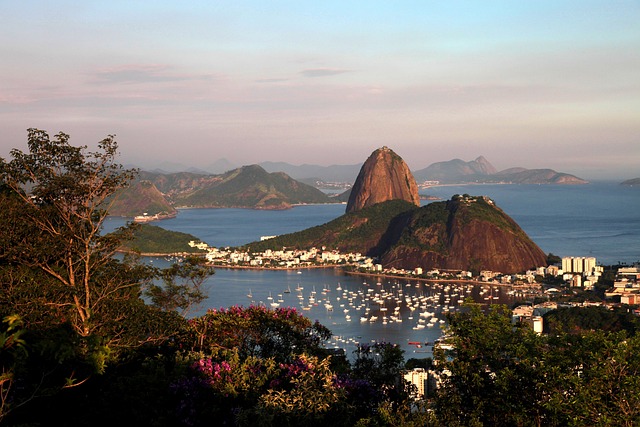
Rio has one of the biggest muay thai scenes in Brazil, but it is spread thin across a city where the far west sits more than 50km from the centre. Most gyms are in the north and west zones, in neighbourhoods like Grajau, Realengo, Bangu and Campo Grande, where classes cost less and the crowd is local. The south zone, where most visitors stay, has a smaller but solid cluster in Botafogo, Humaita, Catete, Laranjeiras and Copacabana. Distances here are real, so pick a gym near where you are staying rather than one across town.
The history is worth knowing, because it shapes what you walk into. Nelio Naja, born in Rio in 1952, is generally credited with bringing muay thai to Brazil in the late 1970s, though historians treat parts of his origin story with some scepticism. The founding scene was a small circle split between Rio and Curitiba, and Rio hosted the first interstate championship in 1981. Luiz Alves, who went on to found the Brazilian muay thai confederation, made his fighting debut that same year, and gyms carrying his lineage still teach here. Two things came out of that era. One is the coloured prajied grading system, a Brazilian addition that does not exist in Thailand. The other is the style itself: because the first Brazilian practitioners came from taekwondo, Brazilian muay thai has traditionally leaned harder on kicks than the Thai approach. Plenty of Rio coaches have since trained in Thailand and teach closer to the Thai model, so it is worth asking which you are getting.
Practically, Rio asks for some patience. Jiu-jitsu is the dominant martial art in this city, so a good number of the gyms listed here teach muay thai inside a broader academy rather than as the main event, and we flag that on each listing. Almost none have a website: roughly a third have nothing online at all and another third run on Instagram only, with WhatsApp as the way in. Class times and prices are rarely published, so expect to message ahead. English is not common, though a handful of gyms are used to visitors and teach in it.
Kadu Andrade's Muay Thai programme, run inside the Gracie Humaita academy in Barra.
The Triade team's main training centre in Rocha Miranda, with boxing and conditioning alongside the Muay Thai.
Small group classes with Gabriel Jaber in Laranjeiras, taught in Portuguese and English.
A studio format school in Estacio with women only classes and app based booking.
Family run training centre on Ilha do Governador, with classes for kids, women and mixed groups.
Private and small group sessions with Maguilla and Kelry in Barra Olimpica.
A newer gym in Sao Cristovao with flexible hours and one head instructor.
Central Rio gym run by two coaches who work around injuries and physical limits.
Alexandre Bandeira's gym in Bangu, run with a disciplined, military flavoured approach.
Professor Diogo's team in Catete, mixing competing athletes with complete beginners.
Professor Wallace's team in Realengo, focused on close technical correction.
Marcelo Cunha's team in central Rio, with a competitive edge to the training.
Jorge Tadeu's team in Botafogo, with morning, afternoon and evening classes for all levels.
Multi discipline centre in the north zone with a weights room alongside the classes.
Professor Bruno's gym in Marechal Hermes, geared towards people starting from zero.
Kickboxing and Muay Thai in Inhauma, built around one instructor.
A small private training space in Copacabana run by Alexandre Maru.
Large open training space in Grajau with instructors who have competed internationally.
A community rooted project in Vidigal, started by Airton Barbosa.
Muay Thai with Vicente and jiu-jitsu with Felipao, sharing a space in Grajau.
Small group traditional Muay Thai in Recreio, with an instructor who trained in Thailand.
Traditional Muay Thai in Botafogo with English speaking staff, air conditioning and a staffed reception.
Milton Vieira's multi discipline academy in Humaita, well used by visiting foreigners.
Part of the Champions Factory network, training at Parque das Rosas in Barra.
Multi discipline centre in central Rio with showers, changing rooms and classes through the day.
Flavio Almendra's academy in Jardim Botanico, covering several disciplines.
Muay Thai team in the port area with a well established children's programme.
Botafogo gym where the Muay Thai coach speaks strong English, alongside karate and conditioning.
A Brazilian Top Team branch in Leblon where jiu-jitsu is the main draw and Muay Thai runs alongside.
A Grajau gym with roots in the Luis Alves lineage, now taught by Professor Vinicius.
Tell us what you are after: a drop-in session, private training, something for the kids, or just the prices. We pass your message on to the right gym in Rio de Janeiro, and reply ourselves if they are slow.
There is no single answer, and nothing on this site is ranked by payment. Golden Heroes in Botafogo has the most recent and most consistent reviews, along with English speaking staff and air conditioning. Jaber Muay Thai in Laranjeiras teaches in Portuguese and English and lends gear. Koh Tao Muay Thai in Grajau has instructors with international titles and a large open training space. Muay Thai Assawin in Barra is run by a coach who trained in Thailand. Rio is enormous, so in practice the best gym is usually the good one you can actually get to.
Yes, though it takes more effort than in Thailand. Few gyms publish drop-in rates and most have no website, so message ahead on WhatsApp or Instagram. Gyms used to visitors include Golden Heroes and New Fight Center in Botafogo, Jaber Muay Thai in Laranjeiras and Rio Fighters in Humaita. Bring your own wraps if you can, although several gyms keep gloves and shin guards to lend.
Not widely. Portuguese is the working language almost everywhere. The clear exceptions in this listing are Jaber Muay Thai, Golden Heroes, New Fight Center and Rio Fighters, where reviewers specifically mention being taught in English. Elsewhere people tend to manage on gestures and pad work, which visiting students describe as working fine, but do not expect a translated class.
Prices are rarely published, so you will need to ask. What visitors consistently report is that gyms in Centro and in the north and west zones cost noticeably less than the equivalent in Botafogo, Copacabana and the rest of the south zone. Several gyms charge one monthly fee covering unlimited classes rather than billing per session, which is worth asking about if you are staying a while.
Yes, and it helps to know before you arrive. Brazilian muay thai grew out of taekwondo in the late 1970s, so the style has traditionally put more weight on kicks than the Thai approach, and it uses a coloured prajied grading system that Thailand does not have. Many Rio coaches have since trained in Thailand and teach closer to the Thai model. If this matters to you, ask before you commit to a month.
They are spread across the whole city. The south zone, where most visitors stay, has a cluster in Botafogo, Humaita, Catete, Laranjeiras and Copacabana. Centro has a few, useful if you work downtown, since several run classes through the day including at lunchtime. The north zone around Grajau, Meier and Vila da Penha, and the west zone around Jacarepagua, Bangu, Realengo and Campo Grande, hold the majority of gyms but sit a long way from the beaches. Ilha do Governador and Barra da Tijuca each have their own small scenes.
Most of the gyms here are ordinary neighbourhood academies on residential streets, and the training itself is not the risky part of a Rio trip. The sensible advice is the same as for anything else in the city: ask the gym how people usually get there, keep what you carry to evening classes minimal, and use a ride app after dark rather than walking unfamiliar routes. One listing, Onca Muaythai in Vidigal, sits in a hillside community above Leblon, so message them first about the best way up.